One of the most common storage mistakes is renting a unit that's too large — and paying for empty space month after month. The second most common is renting too small and wasting time and money on a second trip. Here's a practical breakdown of every standard unit size.
Storage Unit Size Quick Reference
| Size | Square Feet | Rough Equivalent | Avg Monthly Cost |
|---|---|---|---|
| 5×5 | 25 sq ft | Large closet | $30–$80 |
| 5×10 | 50 sq ft | Small bedroom | $50–$100 |
| 10×10 | 100 sq ft | 1-car garage | $80–$160 |
| 10×15 | 150 sq ft | Large 1-bedroom | $100–$200 |
| 10×20 | 200 sq ft | 2-car garage | $130–$250 |
| 10×25 | 250 sq ft | Large house content | $160–$320 |
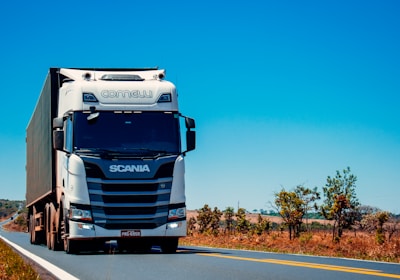
| 10×30 | 300 sq ft | Moving truck equivalent | $200–$400 |
5×5 Storage Unit
A 5×5 unit is essentially a large walk-in closet. It's roughly 8 feet tall, giving you a small amount of vertical stacking room.
What fits:
- Seasonal clothes and winter gear
- Holiday decorations
- 10–15 medium boxes
- Small appliances (microwave, fan, lamp)
- Bicycle (can fit if wheel is removed)
What doesn't fit:
- Any furniture larger than a nightstand
- More than one person's seasonal belongings
Best for: Apartment overflow, seasonal storage, students, small extras.
5×10 Storage Unit
Double the space of a 5×5 — roughly the size of a small bedroom. This is the most versatile unit for urban renters.
What fits:
- Studio apartment contents (small sofa, twin mattress, boxes)
- Full dorm room including mini fridge and microwave
- Bedroom furniture: dresser, bookshelf, headboard (no frame)
- 20–25 medium boxes plus furniture
What doesn't fit:
- A queen or king bed with frame assembled
- More than 1–2 rooms of furniture comfortably
Best for: 1-bedroom apartment overflow, student storage, small business inventory.
10×10 Storage Unit
The most popular storage unit size, equivalent to a 1-car garage. The 10×10 can accommodate a full 1-bedroom apartment if packed well.
What fits:
- 1-bedroom apartment contents including sofa, bed frame, dresser
- 2 rooms of furniture without large appliances
- Queen mattress, box spring, and frame
- Up to 30–35 medium boxes
What doesn't fit:
- A full 2-bedroom apartment comfortably
- Vehicles of any kind
Best for: 1–2 bedroom apartment moves, business storage, home staging.
10×15 Storage Unit
A comfortable fit for a full 2-bedroom apartment or a 1-bedroom home with additional items.
What fits:
- 2-bedroom apartment contents
- Riding lawn mower
- Washer and dryer plus additional furniture
- Small boat (under 14 feet)
Best for: 2-bedroom moves, estate staging, small business inventory.
10×20 Storage Unit
Equivalent to a 2-car garage. Fits the contents of a 2–3 bedroom home.
What fits:
- Full 2–3 bedroom home contents
- Multiple large appliances
- Vehicles: small cars, motorcycles, jet skis
- Boats up to 20 feet
Best for: 3-bedroom home moves, vehicle storage, business equipment.
10×25 and 10×30 Storage Units
The largest standard unit sizes. A 10×30 is roughly the capacity of a standard moving truck — everything from a large family home in one load.
What fits:
- 4–5 bedroom home contents
- Boats 20–30 feet
- RVs and large vehicles (check ceiling clearance)
- Commercial equipment
Best for: Large home moves, estate storage, business/commercial storage.
Tips for Choosing the Right Size
- Overestimate, then size down. Take a rough inventory. If you estimate a 10×10, look at a 10×10 and a 5×10 side by side.
- Stack to the ceiling. Units are typically 8–10 feet tall. Vertical stacking significantly increases usable capacity.
- Disassemble furniture. A bed frame flat on a wall takes a fraction of assembled space.
- Leave an aisle. If you'll need to access items, leave a 3-foot path through the center.
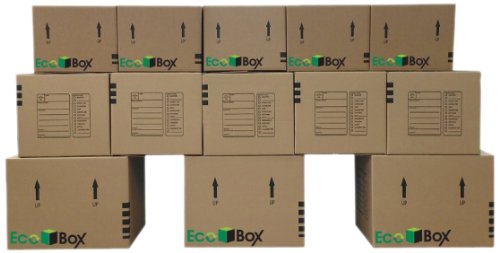
- Use uniform box sizes. Standard medium boxes (18×18×16) stack perfectly to 8 feet — irregular boxes waste vertical space.
Frequently Asked Questions
What size storage unit do I need for a 2-bedroom apartment?
A 10×10 is usually sufficient for a 2-bedroom apartment when packed efficiently. If you have a lot of large furniture or bulky items, a 10×15 gives more comfortable room to organize and access items.
Is a 10×10 storage unit really 10 feet by 10 feet?
Yes — the floor dimensions are 10×10, giving 100 square feet of floor space. Interior height is typically 8–10 feet. Some facilities advertise by square footage only; confirm dimensions before booking.
What is the most common storage unit size?
The 10×10 is the most rented size nationally, followed by the 5×10. Both strike the balance between capacity and cost that works for most residential renters.