Warehouse space is expensive. A 500 sq ft commercial space in most US cities costs $800–$2,000/month. A self-storage unit of equivalent size costs $150–$400/month — a 60–80% reduction with comparable security and 24/7 access. That gap is why hundreds of thousands of small business owners use self-storage for their operations.
What Self-Storage Works Well For
E-commerce Inventory
The most common business use case. A 10×10 or 10×15 unit works well for:
- Etsy and eBay sellers with physical product inventory
- Amazon FBA sellers staging inventory before shipment
- Dropshipping businesses managing overflow
- Subscription box businesses with component inventory
Contractor and Trade Equipment
Contractors, landscapers, electricians, and plumbers often use drive-up units as equipment depots:
- Power tools and hand tools
- Ladders, scaffolding, safety equipment
- Bulk materials (pipe, wire, hardware)
- Seasonal equipment (snow removal, landscaping)
Seasonal Business Inventory
Businesses with strong seasonal demand:
- Holiday retail: extra inventory storage August–October before the season
- Pool and outdoor furniture companies: off-season storage
- Event rental companies: tables, chairs, tents between seasons
Document and Record Storage
Businesses required to retain paper records:
- Medical offices (7-year HIPAA record retention)
- Legal and accounting firms (7-year IRS record requirement)
- Real estate companies and title agencies
What Doesn't Work in Self-Storage for Business
- Customer-facing activities — you cannot conduct business from a storage unit (no customers, no employees working there)
- Hazardous materials — standard prohibitions apply; chemicals, flammables, and pressurized tanks are prohibited
- Perishable inventory — food products require health department-approved storage
- High-value electronics in non-climate-controlled units — heat damage is common in standard units in warm climates
Read the Rental Agreement for Commercial Use
Some storage facilities explicitly prohibit commercial use. Others permit it with restrictions. Before signing:
- Ask directly: "Can I use this for business inventory storage?" Get confirmation in writing or via email.
- Check for commercial use clauses — some agreements void insurance for commercial inventory.
- Verify business insurance extends to off-site storage — your business property policy may need to be updated to list the storage address.
Choosing the Right Unit for Business Use
Size
Start smaller than you think you need — it's easier to upgrade than to pay for empty space. Most e-commerce businesses starting out need a 5×10 or 10×10. Contractors typically need a 10×15 or 10×20 for equipment.
Drive-Up Access
For heavy equipment or frequent inventory retrieval, drive-up is essential. Bringing 40-pound boxes through a lobby and elevator is unsustainable for daily operations.
24-Hour Access
Business needs don't align with banker's hours. Confirm 24/7 gate access or at minimum early-morning and late-evening hours.
Security
- Individual unit alarms (standard at modern facilities)
- 24-hour camera coverage
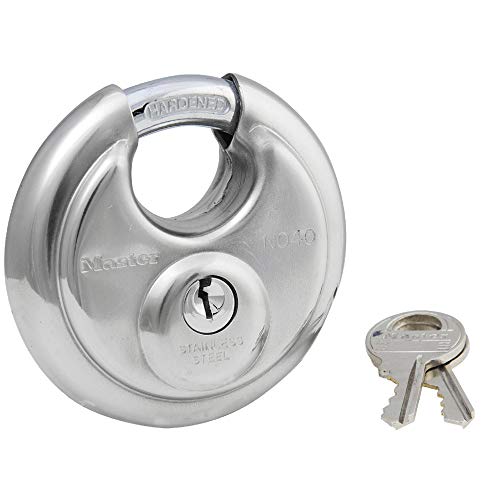
- Gated perimeter with code access
- Manager on-site or monitored remotely
Setting Up Your Business Storage Unit
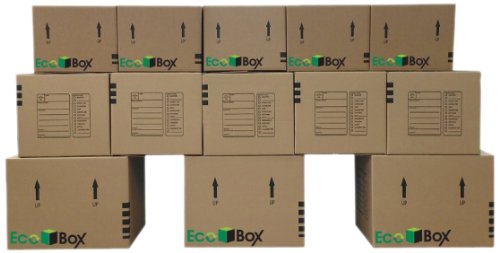
- Install heavy-duty shelving — freestanding metal shelving units maximize vertical space and keep inventory off the floor.
- Label everything facing out — you should be able to find any SKU or item without moving boxes.
- Keep an inventory log — a spreadsheet or simple inventory app (Sortly, for example) prevents the unit from becoming disorganized.
- Leave a working path — a 3-foot aisle from the door to the back of the unit is worth the reduced storage space.
Cost Comparison: Self-Storage vs. Commercial Space
| Space Type | 200 sq ft Monthly Cost |
|---|---|
| Commercial warehouse (NNN lease) | $400–$1,200 |
| Co-working warehouse space | $300–$800 |
| Self-storage unit (10×20) | $130–$250 |
Self-storage doesn't offer loading docks, power, or zoning for employees — but for pure storage, the cost difference is significant.
Frequently Asked Questions
Can I run a business out of a storage unit?
You can store inventory and equipment, but you cannot conduct business activities inside the unit — no customers, no employees working there, no receiving business mail. Facilities prohibit using units as offices or workspaces.
Is business inventory covered by storage insurance?
Often not — facility insurance typically excludes commercial merchandise. Your business property insurance policy needs to be updated to include off-premises storage. Confirm with your insurer and list the storage facility address on your policy.
What size storage unit do I need for e-commerce inventory?
A 5×10 is sufficient for most starter e-commerce operations (under 100 SKUs, low unit volume). A 10×10 handles moderate inventory levels. Growing businesses often expand to a 10×15 or 10×20. Start small and upgrade — storage facilities can usually accommodate unit changes with notice.