Self-storage theft happens — and it's almost always preventable with a little due diligence before you rent. Facilities vary enormously in their actual security investment. This guide walks you through the features that matter, the red flags that should make you walk away, and how to add an extra layer of protection yourself.
Security Features That Actually Matter
Individual Unit Alarms
The single most effective deterrent. A unit-level alarm triggers when the door opens or is tampered with. Not all facilities have them — and facilities that do are worth the premium. Ask specifically whether individual unit alarms are included or an add-on fee.
Electronic Keypad Access
A gate that requires a personal PIN code means only registered tenants get in — and the facility has a log of every entry. Facilities with a shared gate code are lower security — the code is often known by former tenants and service workers.
Good facilities give you a unique access code. Ask before signing whether your specific PIN is logged on entry.
24-Hour HD Security Cameras
Cameras should cover the gate entry, the perimeter, every internal corridor, and elevator lobbies. Ask how long footage is retained (30 days is standard; some facilities only keep 7 days). Cameras that are clearly visible and well-maintained are a strong deterrent.
Red flag: cameras that are obviously dummy units, aimed at walls, or have weather damage indicating they haven't been maintained.
On-Site Management
Facilities with staff present during access hours have a much lower incident rate. Even just a visible manager's office near the entrance significantly deters theft. Fully unstaffed facilities are higher risk — particularly for day-time access.
Perimeter Fencing and Lighting
A proper perimeter fence (8-foot chain link minimum, ideally with barbed wire or anti-climb topping) controls access points. Lighting should cover the entire facility — dark corners and alleys are where most incidents occur. Visit the facility after dark before signing.
Cylinder Locks vs. Padlocks
Many facilities use a hasp-and-padlock design on unit doors. If so, the quality of the lock matters. Look for:
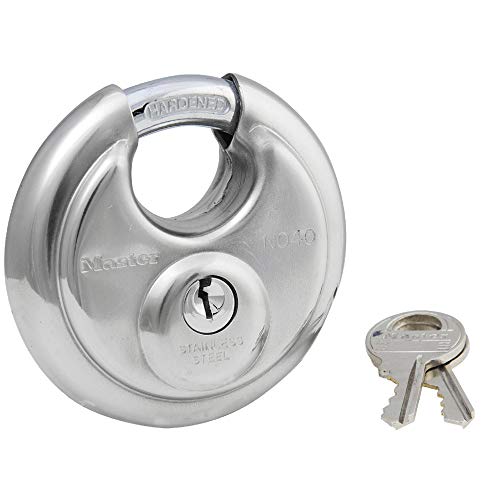
- Disc locks (round padlocks) — Hardened steel body with minimal exposed shackle. Much harder to cut or pry than traditional padlocks.
- Cylinder locks (built into the door) — Built-in locks with no external shackle are the most secure option.
Avoid standard padlocks with long shackles — they're easy targets for bolt cutters.
Red Flags to Walk Away From
- Unlocked perimeter or broken gate — If the physical barrier isn't maintained, the facility isn't investing in security.
- No individual unit alarms — Especially problematic in facilities with 24-hour access, where there's no one on site.
- Hallways with blind spots — Walk the corridors during your visit. Anywhere cameras don't cover is a risk area.
- Poor lighting — Dimly lit facilities after dark are higher risk.
- No insurance requirement — Reputable facilities encourage or require tenants to carry coverage. Facilities that don't care about insurance tend not to care about security either.
Add Your Own Protection
Regardless of the facility's built-in security, there are things you can do yourself:
Use a high-quality disc lock. A $25–$40 hardened steel disc lock (like Master Lock's magnum or Abus 55/40) is far more resistant to bolt cutters than the cheap padlocks most people use.
Get a storage insurance policy. Your homeowner's or renter's insurance may cover storage units — call your insurer and ask. If it doesn't, most facilities offer coverage for $10–$20/month.
Don't advertise what's inside. Keep the unit looking plain and unremarkable from the outside. Don't discuss valuable contents with facility staff or other tenants.
Photograph your belongings before storing. If something is stolen, you'll need documentation for an insurance claim. A 5-minute video walkthrough of your unit's contents before locking up can save significant headache later.
A Simple Checklist for Your Site Visit
Before signing, walk the facility and check:
- Perimeter fence intact and complete
- Gate requires individual PIN (not shared code)
- Cameras cover corridors and all access points
- Individual unit alarms available
- Good lighting throughout — check the back corners
- Staff present during access hours
- Unit door and lock hardware is solid
Frequently Asked Questions
What type of lock is best for a storage unit?
A hardened steel disc lock (also called a round padlock) is the best choice. The minimal exposed shackle makes it very difficult to cut with bolt cutters. Look for brands like Master Lock, Abus, or Squire in the $25–$45 range. Avoid standard padlocks with long shackles.
Are storage units safe from theft?
Well-secured facilities with individual unit alarms, electronic keypad entry, HD cameras, perimeter fencing, and on-site staff have very low theft rates. Facilities lacking these features carry higher risk. Always visit in person before signing and check for the security features listed in this guide.
Does homeowners insurance cover storage units?
Most homeowners and renters insurance policies extend some coverage to storage units, but limits are often capped at 10% of your personal property coverage. Check your policy for specific limits and exclusions. If your items are worth more than the cap, consider supplemental storage insurance.
What should I do if my storage unit is broken into?
File a police report immediately, photograph all damage before moving anything, notify the facility manager, and contact your insurance provider. Keep the police report number — your insurance company will require it for the claim.