The gap between leaving one home and moving into the next is one of the most stressful periods in any relocation. Whether it's a few days or a few months, having a clear storage strategy removes most of the uncertainty. This guide walks through the common scenarios and how to handle each.
The Most Common Moving + Storage Scenarios
Scenario 1: Closing Gap (Days to Weeks)
You're closing on a new home but there's a 1–4 week gap between when you hand over your current place and when you can move into the new one. Or your lease ends before your new one starts.
Storage approach: Rent a 10×10 or 10×15 unit month-to-month. Move everything out of your current place into storage, then move from storage to your new home. Two move days, but the unit cost ($100–$180/month) is usually far cheaper than delaying the sale or negotiating a short-term lease extension.
Scenario 2: Long-Distance Move (1–3 Months)
You're moving across the country and arriving before your household goods. Or you're relocating temporarily while scouting neighborhoods, and the permanent home will come later.
Storage approach: Rent a unit near your destination — not your origin. Having your belongings close to where you'll eventually land makes the final move far simpler. Many people over-plan the first move and forget about the second one.
Scenario 3: Downsizing
You're moving from a larger home to a smaller one. Some furniture and belongings won't fit in the new place.
Storage approach: Be honest with yourself before renting a unit. A storage unit for items that "might fit someday" often becomes a permanent holding pattern with ongoing cost. Store only what you have a concrete plan for — a specific room, a confirmed new home in a year, a family member who will take the items.
Scenario 4: Military, International, or Extended Travel
You need to store an entire household for 6–24 months while posted abroad, traveling, or on an extended assignment.
Storage approach: Climate-controlled storage is worth the premium for long-duration storage. Items that would be fine in a standard unit for 3 months may develop mold, rust, or damage over 18 months. Pack everything properly (see our packing guide), document with photos, and consider adding storage insurance.
Building Your Moving Timeline
6–8 Weeks Before Move Day
- Book your storage unit. Units get reserved quickly, especially in peak summer months (May–August). Don't wait until 2 weeks before your move.
- Sort and declutter. Every item you don't put in storage saves you money. Sell, donate, or discard anything you haven't used in 2+ years.
- Get moving quotes. If you're using professional movers, get at least 3 quotes. Specify that the move involves a storage stop — some movers will store the truck overnight, others require same-day delivery.
3–4 Weeks Before
- Confirm the storage unit and get access details. Know the gate code, access hours, and where your unit is in the facility.
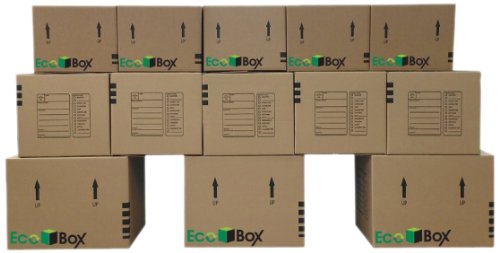
- Order packing supplies. Boxes, tape, bubble wrap, wardrobe boxes for hanging clothes. Buying in bulk online is significantly cheaper than buying at a moving supply store day-of.
- Start packing non-essentials. Books, seasonal items, decor, and anything you won't need until after the move.
1–2 Weeks Before
- Pack everything except daily essentials. Kitchenware, most clothing, all furniture except what you're sleeping on.
- Plan the storage unit layout. Heaviest items and things you won't access go in the back. Things you'll need at move-in go near the front.
- Arrange a cleaning crew for your vacated home if required by your lease or sale agreement.
Move Day
- Load storage-bound items first if doing a single-day load. This way the storage unit fills up and the home empties in one trip.
- Take photos of the unit after loading — both for insurance and to remember where things are.
- Keep essential documents, medications, and valuables with you. Never put these in storage or on a moving truck.
After Move Day
- Don't rush the unload. If you have storage for a month, use it. Rushing to empty the unit while settling into a new home creates chaos. Move items from storage only when you have a specific place for them.
- Set a date to fully vacate the unit. Without a deadline, month-to-month storage becomes indefinite storage. Decide up front when you'll be done.
Cost-Saving Tips
- Avoid peak season if possible. Moving in September–March is typically 15–25% cheaper than June–August for both movers and storage units.
- Compare facilities near both endpoints. A unit near your destination may actually be cheaper and more convenient than one near your origin, depending on the markets.
- Ask about the first-month-free promotion. Many facilities run this year-round for new tenants — it's often not advertised but always worth asking.
Frequently Asked Questions
How long can you keep stuff in a storage unit when moving?
As long as you keep paying rent. Most storage units are month-to-month, so you can keep items for a few days or several years. For moves, most people use storage for 2–8 weeks during the transition. For long-term storage (6+ months), use a climate-controlled unit to protect against moisture and temperature damage.
Should you rent a storage unit before or after moving?
Book the unit before moving — ideally 3–4 weeks in advance, especially in peak moving season (May–August). If you wait until move week, your preferred size or location may not be available.
Is it cheaper to use storage or a moving container (PODS)?
For moves under 100 miles, a self-storage unit plus a rental truck is usually cheaper than a moving container. For long-distance moves, containers can be competitive depending on the route and duration. Compare total costs including the container delivery fee, monthly storage rate, and final delivery charge.
What size storage unit do I need when moving a 2-bedroom apartment?
A 10×10 unit (100 sq ft) holds most 2-bedroom apartment contents if you pack efficiently. If you have large furniture, a sectional sofa, or a lot of items, size up to a 10×15. See our complete storage unit size guide for detailed breakdowns.