Storing belongings for a month between moves is straightforward. Storing them for 6 months to several years requires a different approach — the wrong materials, unit type, or packing method can cause more damage than the storage was supposed to prevent.
Climate Control: Non-Negotiable for Long-Term Storage
For anything stored longer than 3 months, a climate-controlled unit is strongly recommended in most US and Canadian climates. Here's what extreme temperatures and humidity do over time:
- Wood furniture: Warps, cracks, and joints loosen in humidity fluctuations.
- Electronics: Circuit boards corrode; batteries swell or leak.
- Leather: Cracks and molds in humidity without regular conditioning.
- Clothing and fabric: Mold, mildew, and yellowing in humid environments.
- Photos and documents: Stick together, yellow, and degrade rapidly with humidity.
- Musical instruments: Wood instruments (guitars, violins) warp; brass tarnishes.
Climate control typically adds 25–50% to your monthly rent. Over 12 months of storage, that's $200–$600 extra — far less than replacing damaged furniture or electronics.
Choosing the Right Unit Size
For long-term storage, size up slightly from what you think you need. Items stored long-term should ideally not be buried — you need to be able to access specific items without unpacking the entire unit.
- Leave a center aisle you can walk down.
- Store items you might need sooner near the front.
- Build vertically using shelving rather than stacking heavy boxes.
How to Prepare Furniture for Long-Term Storage
Wood Furniture
- Clean thoroughly before storage — dust and grime cause surface damage over time.
- Apply a coat of furniture polish or wax before wrapping.
- Use moving blankets or furniture pads, not plastic wrap (plastic traps moisture).
- Disassemble tables and bed frames to reduce footprint and stress on joints.
Upholstered Furniture
- Vacuum thoroughly — food particles attract pests.
- Apply a fabric protector spray.
- Wrap in breathable cotton covers, not plastic sheeting.
- Elevate off the floor on pallets or boards.
Appliances
- Clean refrigerators and washing machines completely; leave doors slightly ajar to prevent mold.
- Drain all hoses on washing machines.
- Oil hinges and moving parts on appliances before storage.
Packing for Long-Term Storage
Boxes
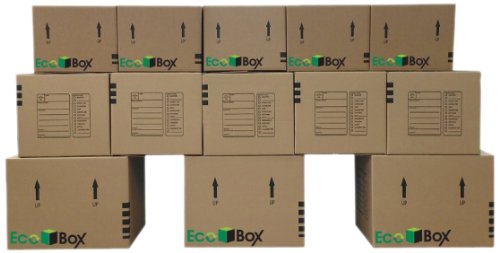
Invest in new, heavy-duty cardboard boxes for long-term storage — used boxes have compromised structural integrity and may collapse under weight over months. Double-box fragile items.
Labeling
Label every box with:
- Contents
- Room of origin
- Date packed
- Priority (A = need access to this; C = don't need until I move out)
Moisture Control
Place silica gel packets inside boxes containing electronics, photos, documents, and leather goods. A small dehumidifier inside the unit provides additional protection in non-climate-controlled units.
What Not to Store Long-Term
Some items degrade predictably over extended storage regardless of how well you prepare:
- Tires and rubber goods — dry-rot and crack
- Old gasoline — degrades and can become a fire hazard
- Wine without climate control — temperature swings ruin wine
- Candles — melt in summer heat
- Batteries — corrode and leak
- Paint — separates and becomes unusable
Consume, donate, or properly dispose of these before long-term storage.
Checking on Your Unit
For storage beyond 6 months, visit your unit every 2–3 months:
- Inspect for signs of moisture, mold, or pest activity
- Rotate fabric items if accessible
- Replace silica gel packets (they saturate over time)
- Check that boxes haven't collapsed under weight
Frequently Asked Questions
How long is too long for a storage unit?
There's no fixed limit, but if you're paying monthly for items you haven't touched in 2+ years, reassess whether the storage cost is less than the items' replacement value. Many people discover they're paying more annually than the contents are worth.
Do storage units have electricity?
Most standard storage units do not have internal electricity. Climate-controlled units have HVAC systems in the building, but the units themselves typically don't have outlets. Some facilities offer electrical hookups in RV/boat lots for an additional fee.
Can furniture warp in a storage unit?
Yes — solid wood furniture can warp and crack due to humidity fluctuations in non-climate-controlled units, especially over multiple seasons. Climate control and proper wrapping (breathable materials, not plastic) significantly reduce this risk.