Most people rent a storage unit, throw their stuff in, and lock the door. Then six months later they can't find anything, half their boxes got crushed, and there's a mysterious damp smell. A little planning up front makes a real difference — and this guide walks you through exactly how to pack a unit so nothing breaks, nothing molds, and you stay organized.
Step 1: Prep Everything Before It Goes In
The biggest mistake people make is packing the unit as they unload the truck. Take a few minutes first:
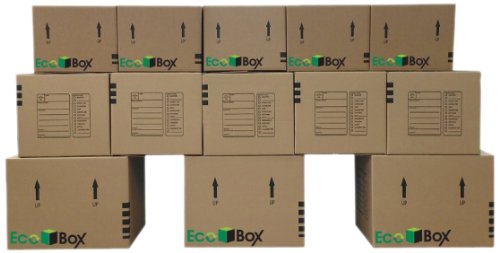
- Use uniform box sizes where possible. Standard 1.5 cu ft and 3 cu ft boxes stack cleanly and use vertical space efficiently. Mixed sizes tip and collapse.
- Label every box on the side, not the top. Once boxes are stacked, you'll only see the sides. Write the room and three key contents on each box.
- Double-tape the bottom of every box. Single tape fails under weight. Two strips of packing tape on the bottom prevents blowouts under stacking pressure.
- Wrap fragile items individually. Bubble wrap, packing paper, or even clean towels. Fragile things should never touch each other directly.
Step 2: Create a Loading Plan
Before you put anything in, decide on three zones:
- Back wall — items you won't need until you empty the unit completely (holiday decor, archived files, extra furniture)
- Middle — items you might need occasionally (seasonal clothing, rarely-used appliances)
- Front third — items you'll access regularly (tools, sports equipment, frequently-needed boxes)
This sounds obvious but almost no one does it, and it's the single biggest factor in whether your unit stays usable.
Step 3: Load in the Right Order
Heavy items go on the floor
Furniture, appliances, and heavy boxes belong on the ground. Never stack heavy items on top of lighter ones — it's how shelving collapses and boxes get crushed.
Build walls with boxes
Stack boxes floor-to-ceiling in columns along the walls. Keep the heaviest boxes at the bottom, lighter ones at the top. Don't lean boxes against furniture — that creates pressure points that crack frames and split joints over time.
Use furniture as shelving
Dressers with empty drawers are wasted space. Fill drawers with soft items — linens, clothing, pillows. A dresser can hold 3–4 boxes worth of soft goods this way. Wardrobes can hold hanging clothes on the rail plus boxes on the floor inside.
Disassemble what you can
Bed frames, dining tables, and shelving units take up 3–4× less space when broken down flat. Wrap hardware in labeled zip-lock bags and tape them to the item they belong to. Five minutes of disassembly saves significant floor space.
Leave a centre aisle if you need access
If you'll visit the unit regularly, leave a 2-foot-wide walking path down the middle. Pack both walls floor-to-ceiling and keep the aisle clear. This lets you reach the back without unpacking everything.
Step 4: Protect Against Moisture
Even in climate-controlled units, some moisture management is worth the effort:
- Elevate items off the floor. Place pallets, wooden boards, or plastic sheeting under furniture and boxes. If the unit ever has a water intrusion, elevated items survive. Items directly on concrete often don't.
- Don't use plastic wrap on fabric. Plastic traps moisture inside and causes mold on mattresses, sofas, and clothing. Use breathable covers instead — old sheets, moving blankets, cotton covers.
- Leave gaps around the walls. Air needs to circulate. Don't pack items flush against every wall — a 2-3 inch gap helps with airflow.
- Consider silica gel packets. For electronics, documents, or musical instruments, a few moisture-absorbing packets inside boxes or wrapped items provide extra protection.
Step 5: Document What's Where
Take five minutes to photograph the unit after loading. A quick video pan is even better. When you need to find something six months from now, you'll thank yourself.
For longer-term storage, keep a simple inventory spreadsheet: box number, contents, location in the unit (front-left, back-right, etc.). It takes 20 minutes to make and saves hours of digging.
Common Packing Mistakes to Avoid
- Overfilling boxes — Boxes over 50 lbs are dangerous to lift and hard to stack. Split heavy items (books, tools) across multiple smaller boxes.
- Storing food — Even sealed food attracts pests and violates most storage facility agreements.
- Packing flammables — Propane tanks, gasoline containers, paint cans, and aerosols are prohibited at most facilities.
- Forgetting insurance — Your homeowner's or renter's insurance may cover storage units, but check the limits. Facilities offer their own coverage, often at $10–$20/month.
Frequently Asked Questions
How do you pack a storage unit to maximize space?
Disassemble furniture, use uniform box sizes, stack floor-to-ceiling along walls, fill dresser drawers with soft items, and leave a centre aisle for access. The goal is to use every cubic foot, not just the floor space.
Should heavy boxes go on top or bottom in a storage unit?
Always on the bottom. Heavy boxes on top crush lighter ones and create unstable stacks. Place the heaviest boxes and furniture on the floor, lighter items on top.
How do you prevent mold in a storage unit?
Elevate items off the concrete floor, use breathable covers on fabric items (not plastic wrap), leave air gaps around walls, and consider silica gel packets inside boxes with sensitive items. Climate-controlled units provide the best mold protection.
What should you not put in a storage unit?
Never store food, flammable liquids (gasoline, propane), perishables, live plants or animals, hazardous chemicals, or irreplaceable documents. Most facilities explicitly prohibit these in their rental agreements.