When you search for storage, you'll encounter two fundamentally different layouts: drive-up units (also called exterior or outdoor units) and indoor units accessible via hallways. The difference affects price, convenience, temperature, and what you should store there.
Drive-Up Storage Units
Drive-up units have roll-up doors that open directly onto an outdoor driveway. You back your vehicle up to the door and load or unload without a dolly, elevator, or hallway.
Advantages
- Easy loading and unloading — back your truck directly to the door
- No weight limits on carts — move anything without elevator restrictions
- Larger units available — drive-up units often come in sizes up to 10×30 or larger
- Lower cost — typically 10–20% cheaper than comparable indoor units
- 24/7 access at most facilities — just gate code, no building hours
Disadvantages
- Weather exposure — the door faces outside; rain, wind, and dust enter when open
- Temperature extremes — without insulation, interior temperatures track outdoor temperatures
- Less secure appearance — exterior doors are more visible targets, though most facilities have cameras
Best For
- Heavy or bulky items (furniture, equipment, appliances)
- Vehicles, boats, motorcycles
- Items you access frequently and need easy load-in
- Items not sensitive to temperature (tools, sports equipment, garden furniture)
Indoor Storage Units
Indoor units are accessed through the building interior — through a lobby, hallway, and elevator or stairs. The unit itself is inside a climate-controlled or at least temperature-buffered building.
Advantages
- Protected from weather — you and your items are inside during loading
- More temperature stable — even non-climate-controlled indoor units stay cooler in summer and warmer in winter than exterior units
- More security layers — building door, floor access, then unit door
- Cleaner environment — less dust, debris, and moisture intrusion
Disadvantages
- Harder to move large items — elevators have weight limits; hallways have width restrictions
- Slower loading — multiple doors, possibly stairs
- Higher cost — typically 10–20% more than drive-up
- Building access hours — some facilities close the main building at night
Best For
- Electronics, documents, photographs
- Furniture sensitive to humidity or temperature changes
- Long-term storage where weather protection matters
- Items you access infrequently and don't need fast load-in
Climate Controlled: A Separate Consideration
Climate control — active heating and cooling that maintains 55–80°F and controlled humidity — is almost always an indoor feature. Drive-up units are very rarely climate controlled.
If you need climate control, you're almost always looking at indoor units. If climate control isn't necessary (tools, sports gear, seasonal outdoor furniture), drive-up units offer better value.
Price Comparison
| Type | 10×10 Monthly Rate |
|---|---|
| Drive-up, no climate control | $80–$130 |
| Indoor, no climate control | $90–$150 |
| Indoor, climate controlled | $120–$200 |
Prices vary significantly by market — use StorageAtlas to compare actual rates at facilities near you.
When to Choose Drive-Up
- Moving furniture and need to back a truck directly to the door
- Storing tools, outdoor equipment, or anything not temperature-sensitive
- Accessing your unit weekly for business inventory
- Budget-conscious storage without climate control requirements
When to Choose Indoor
- Storing electronics, instruments, wooden furniture, clothing, or documents
- Long-term storage spanning multiple seasons
- You live in a climate with harsh summers or winters
- You prioritize an extra layer of security
Frequently Asked Questions
Are drive-up storage units safe?
Yes — reputable facilities have gated perimeter access and 24-hour security cameras covering all rows. Drive-up units are no more theft-prone than indoor units at well-managed facilities. Check for cameras specifically covering the row your unit is on.
Can you back a moving truck into a drive-up storage unit?
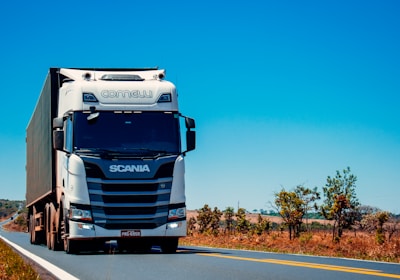
Yes — that's one of the primary advantages. Drive aisles at self-storage facilities are typically 25–35 feet wide, accommodating standard moving trucks and trailers. Confirm the aisle width if you're using a large truck.
Is indoor or outdoor storage cheaper?
Drive-up (outdoor) storage is typically 10–20% cheaper than comparable indoor units. Climate-controlled indoor units are the most expensive option, usually running 25–50% above non-climate-controlled drive-up rates.